Next time, I need to make sure I know the difference between a Coach and a train coach while traveling. It turned out that instead of a train bogey, the coach I had booked was a bus, so a bus it was at the Victoria bus station. After 8 hours of twitching and turning in the uncomfortable (!) seats, I awoke to the sight of the open countryside of Scotland. Just a few blocks resembling houses dotting the landscape, and the tiresome journey is forgotten. Out onto the Princes street, directions taken from the helpful people, and away we go to the Castle. I thought the London streets were peppered with old buildings, but the structures here were quite something else as well.


Well, I cross the North Bridge and onto the Castlehill high street to the top of the gently sloping road. A 15 minute walk on the cobbled street (yes indeed cobbled), the castle perched almost at the top of the city is quite something. And just before you enter you need to take in the view on both sides of the entrance path, one side lining the tall picturesque spires and the few monuments lining the other end of the road, and the other side occupied by mostly city buildings.


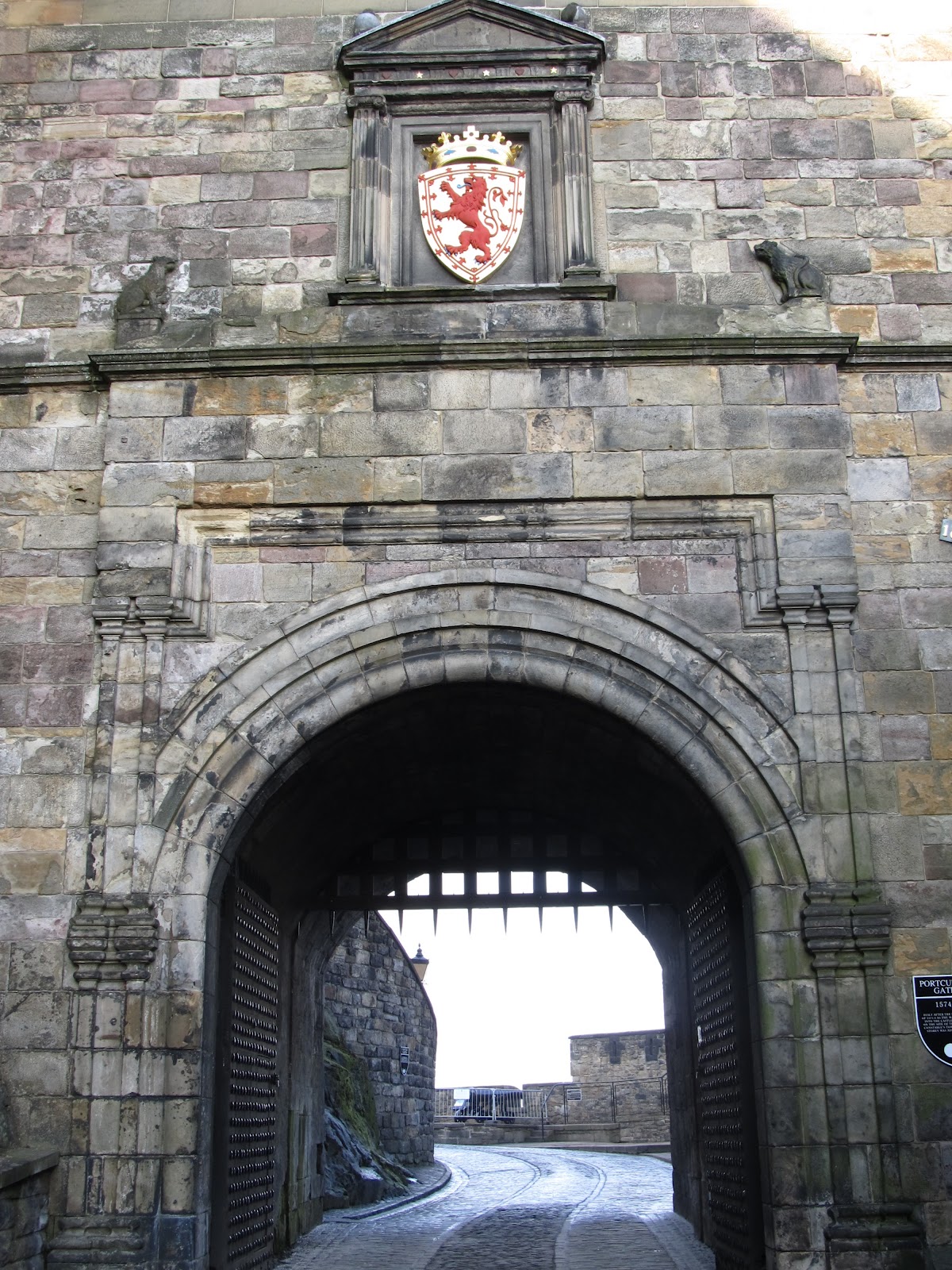
The air is cool, a bit too cool maybe for my skin which is used to tees and shorts, so when I bravely decided to take the overcoat for a few seconds, sense took over and it was back on. The small moat at the entrance protects the only road leading up to the castle, the rest of the sides have steep falls, which would have made the castle quite difficult to capture. The 20 minute guided tour started at the main gate, and you can see the difference in the walls which have stayed the vagaries of numerous battles, battered, differentiated by bricks and stones of varying colors where the attackers would’ve torn them down. Pity, so few good things in this world do stand the test of time, rather of men. The guide kept pointing to various enhancements the Brits gave in Victorian style to give the castle a more pleasing look and be more suitable for the rich lords and ladies to reside and entertain in!
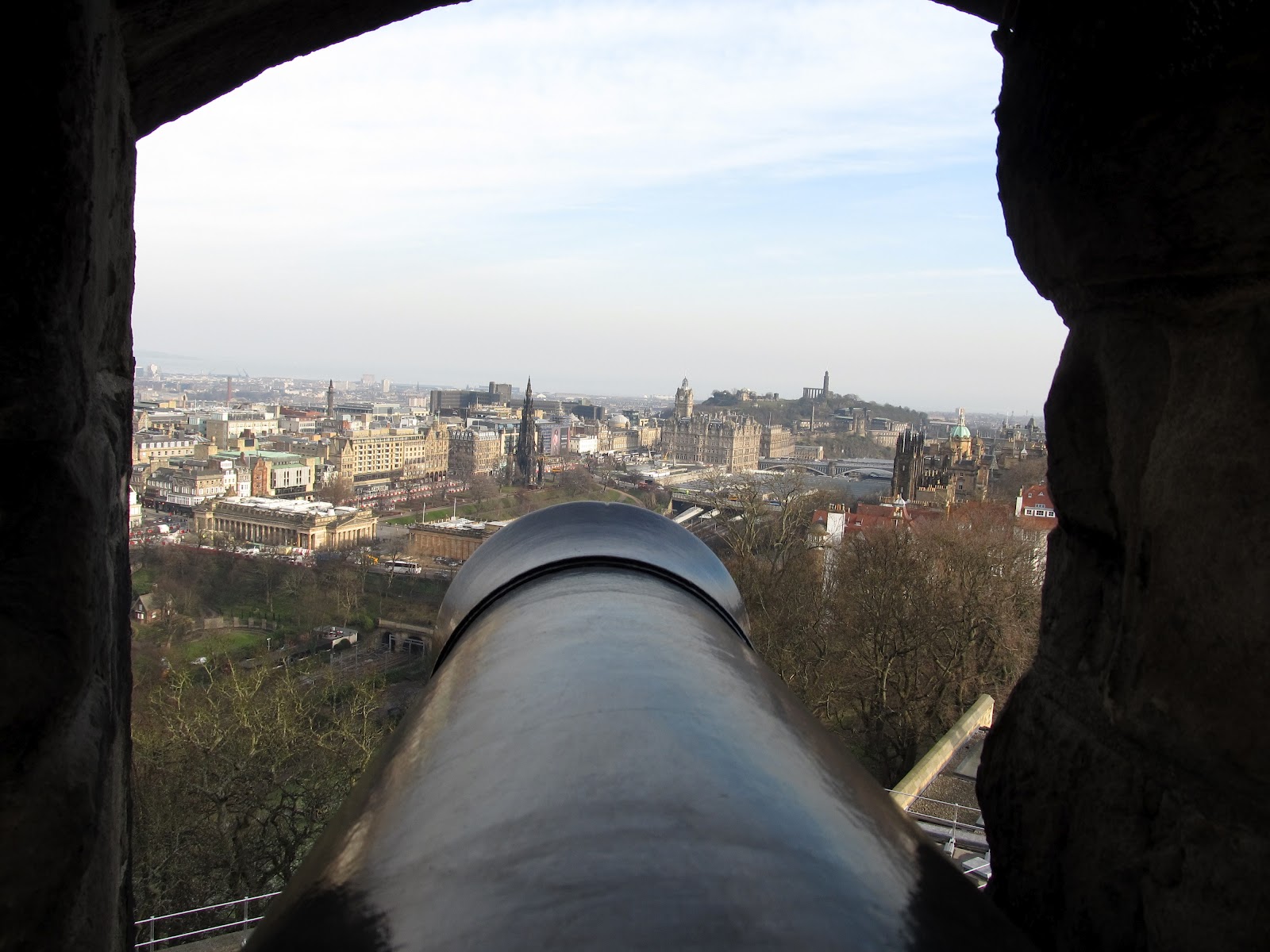
After the main gate there are a few cannons pointing out to the sea, but these came in much later in the 1800s. There’s another more modern cannon mounted a bit further up, and this one fires at 1 every day, hence its called the 1’o clock gun. The story goes that it reminded the town folk to set their clocks right. But why 1 and not 12 in the noon? Well, the guide said that that’s what everyone does, so the Scots didn’t. I did manage to catch the bang (and incidentally, that was his explanation for the phrase “bang on time”) later in the day, probably just a dud shell for noise, I’m guessing!


Further up on the cobbled path sloping up, on the left are the vaults where they used to keep the PoWs. The effects have been recreated, the cots, hammocks, tables , a bit of cutlery, even some conversation running in the background giving it a nice touch. It would be nice to visit this place in the evening in the fading light, and you would hear the slow whispers of the lives lost here, rotting away, while you walk past with your own. After that past the Chapel is the royal quarters, where they also have on display the royal scepter, crown and the coronation sword, and some royal jewels. Rightly so, they have a few guards here. The sword’s 5-6 pounds heavy and laced with gold, thus used mainly for coronation, and wasn’t the weapon of choice to fling around in the battlefield screaming ‘FREEDOM’.


 And finally there’s a big block of stone called the stone of destiny along with all these precious articles. All kings and queens since centuries past have been coronated on this stone (probably kept under the throne out of sight, since its not much to look at, neither quite comfortable to park your rear on I’m guessing). The guide says that the Queen graciously returned the stone back to this place in the late 90s after a few centuries because she got bored of ‘sitting’ on it.


Next to these rooms are the weapon display rooms, spears, swords, pikes, and some later day muskets as well. Opposite this building is a beautiful hall where they’ve put up dedications to the soldiers who did in the period 1914-18 (but later extended to include all martyrs). The coat of arms displayed, the huge volumes filled with the names and ranks of he numerous who got slain in the line of duty, and their weapons are displayed. The inner chamber is even more breathtaking, it has a big statue of a soldier suspended from the ceiling, and the circular walls depict various scenes of valor, the artwork is quite something, sadly no pictures allowed here to respect the dead. There’s also the St Margaret’s Chapel, the only structure that has survived the tests of time in the castle. Probably the fear of the almighty deterred the attackers from besieging the Chapel, or it could be the huge cannon just outside the entrance, with cannon balls weighing 140-150 pounds.


After spending a good 3 hours in the castle and its small museums, it was time to move on, well, to the Scotch Whiskey experience. It’s just outside the castle entrance, for liquor enthusiasts a must see, but since I had too many things to see, it was a pass (not to mention a teetotaler wouldn’t enjoy the experience as much). A brief sandwich later at one of the watering holes in the city, St Giles Cathedral was the next stop up. I don’t think that one can capture the essence of the serenity inside here, even though it stands on one of the main roads in the city, shrouded by the dark clouds that cover the horizon, all of it fails to filter in through the tall tinted glasses of the Cathedral, which create colorful shadows of their own inside. With a nice 25-30 minute walk later, you reach the other end of the high street, which houses the Scottish parliament. The general public is allowed to enter, but I prefer to roam outside any day, even in the chill that had fallen over. The building though is designed to give the impression of an art gallery methinks. Opposite the parliament is the Hollyroads house, another exquisite building demonstrating the architectural façade to all those who wander here.


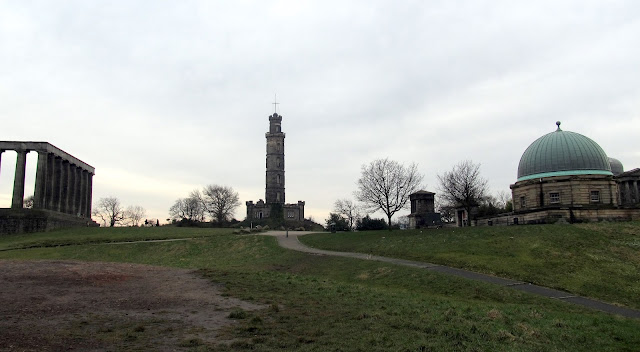


Now, I did want to see the Nelson monument, but I was cutting it a bit close to the return train’s time. On the walk back to the station, I chanced upon the ‘Jacob’s ladder’ just small steps seemingly leading across to the ‘other side’ where the monuments were. Indeed, it did ‘cross me over’ so to say. The small path, looked seldom frequented by mankind was lined on both sides with heavy bushes, but a short huffing and puffing journey later, it did ‘deliver’ me to the monuments I desired to visit. Now, the view from up here is something else, you have the city observatory at one end, the Nelson monument in the middle, and the National monument on the other extreme on the small hilltop. The last one reminds one of the front of the Parthenon, just a series of tall pillars standing there in the middle, and still being able to entice the passerby. It seems a place not frequented by many, which suits me just fine.


 The lush green grass would be perfect to have a picnic on, overlooking the city towards the North and the great waterbody beyond. Ah, now wouldn’t that be something, pity I couldn’t be here in the springtime, for that is the time, I really would’ve enjoyed a walk barefoot on this grass. Well, another time then.


Well, I cross the North Bridge and onto the Castlehill high street to the top of the gently sloping road. A 15 minute walk on the cobbled street (yes indeed cobbled), the castle perched almost at the top of the city is quite something. And just before you enter you need to take in the view on both sides of the entrance path, one side lining the tall picturesque spires and the few monuments lining the other end of the road, and the other side occupied by mostly city buildings.


The air is cool, a bit too cool maybe for my skin which is used to tees and shorts, so when I bravely decided to take the overcoat for a few seconds, sense took over and it was back on. The small moat at the entrance protects the only road leading up to the castle, the rest of the sides have steep falls, which would have made the castle quite difficult to capture. The 20 minute guided tour started at the main gate, and you can see the difference in the walls which have stayed the vagaries of numerous battles, battered, differentiated by bricks and stones of varying colors where the attackers would’ve torn them down. Pity, so few good things in this world do stand the test of time, rather of men. The guide kept pointing to various enhancements the Brits gave in Victorian style to give the castle a more pleasing look and be more suitable for the rich lords and ladies to reside and entertain in!
After the main gate there are a few cannons pointing out to the sea, but these came in much later in the 1800s. There’s another more modern cannon mounted a bit further up, and this one fires at 1 every day, hence its called the 1’o clock gun. The story goes that it reminded the town folk to set their clocks right. But why 1 and not 12 in the noon? Well, the guide said that that’s what everyone does, so the Scots didn’t. I did manage to catch the bang (and incidentally, that was his explanation for the phrase “bang on time”) later in the day, probably just a dud shell for noise, I’m guessing!


Further up on the cobbled path sloping up, on the left are the vaults where they used to keep the PoWs. The effects have been recreated, the cots, hammocks, tables , a bit of cutlery, even some conversation running in the background giving it a nice touch. It would be nice to visit this place in the evening in the fading light, and you would hear the slow whispers of the lives lost here, rotting away, while you walk past with your own. After that past the Chapel is the royal quarters, where they also have on display the royal scepter, crown and the coronation sword, and some royal jewels. Rightly so, they have a few guards here. The sword’s 5-6 pounds heavy and laced with gold, thus used mainly for coronation, and wasn’t the weapon of choice to fling around in the battlefield screaming ‘FREEDOM’.


Next to these rooms are the weapon display rooms, spears, swords, pikes, and some later day muskets as well. Opposite this building is a beautiful hall where they’ve put up dedications to the soldiers who did in the period 1914-18 (but later extended to include all martyrs). The coat of arms displayed, the huge volumes filled with the names and ranks of he numerous who got slain in the line of duty, and their weapons are displayed. The inner chamber is even more breathtaking, it has a big statue of a soldier suspended from the ceiling, and the circular walls depict various scenes of valor, the artwork is quite something, sadly no pictures allowed here to respect the dead. There’s also the St Margaret’s Chapel, the only structure that has survived the tests of time in the castle. Probably the fear of the almighty deterred the attackers from besieging the Chapel, or it could be the huge cannon just outside the entrance, with cannon balls weighing 140-150 pounds.


After spending a good 3 hours in the castle and its small museums, it was time to move on, well, to the Scotch Whiskey experience. It’s just outside the castle entrance, for liquor enthusiasts a must see, but since I had too many things to see, it was a pass (not to mention a teetotaler wouldn’t enjoy the experience as much). A brief sandwich later at one of the watering holes in the city, St Giles Cathedral was the next stop up. I don’t think that one can capture the essence of the serenity inside here, even though it stands on one of the main roads in the city, shrouded by the dark clouds that cover the horizon, all of it fails to filter in through the tall tinted glasses of the Cathedral, which create colorful shadows of their own inside. With a nice 25-30 minute walk later, you reach the other end of the high street, which houses the Scottish parliament. The general public is allowed to enter, but I prefer to roam outside any day, even in the chill that had fallen over. The building though is designed to give the impression of an art gallery methinks. Opposite the parliament is the Hollyroads house, another exquisite building demonstrating the architectural façade to all those who wander here.


Now, I did want to see the Nelson monument, but I was cutting it a bit close to the return train’s time. On the walk back to the station, I chanced upon the ‘Jacob’s ladder’ just small steps seemingly leading across to the ‘other side’ where the monuments were. Indeed, it did ‘cross me over’ so to say. The small path, looked seldom frequented by mankind was lined on both sides with heavy bushes, but a short huffing and puffing journey later, it did ‘deliver’ me to the monuments I desired to visit. Now, the view from up here is something else, you have the city observatory at one end, the Nelson monument in the middle, and the National monument on the other extreme on the small hilltop. The last one reminds one of the front of the Parthenon, just a series of tall pillars standing there in the middle, and still being able to entice the passerby. It seems a place not frequented by many, which suits me just fine.


